The page you are looking for is not here. Try:
If you are not redirected automatically within a few
seconds then please click on the link above.
The page you are looking for is not here. Try:
If you are not redirected automatically within a few
seconds then please click on the link above.

Why is psychiatry such big business? Why are so many psychiatric drugs prescribed, and why, without solid scientific justification, has the number of mental disorders risen from 106 in 1952, to around 370 today? In this talk, Dr James Davies takes us behind the scenes of how the psychiatrist’s bible, the DSM, was actually written – did science drive the construction of new mental disorder categories like ADHD, major depression and Aspergers? ‘ or were less-scientific and unexpected processes at play? His exclusive interviews with the creators of the DSM reveal the answer.
↓Click to be Redirected↓ ↓ Booking form Below↓ Venue: De Vere Latimer Estate, Latimer, Chesham, Bucks, HP5 1UG, UK
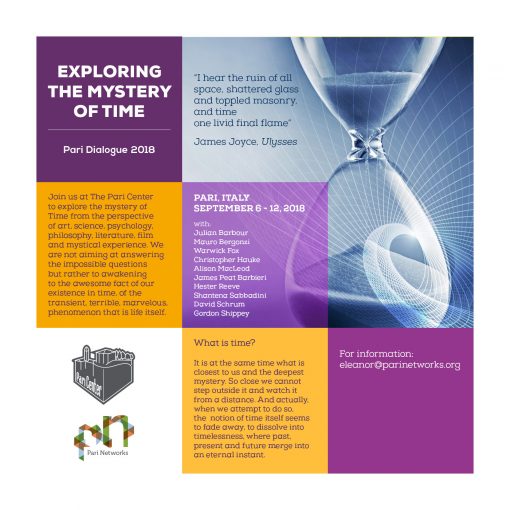
Exploring the Mystery of Time September 6 – 12, 2018 with Julian Barbour, Mauro Bergonzi, Warwick Fox, Christopher Hauke, Alison MacLeod, James Peat […]
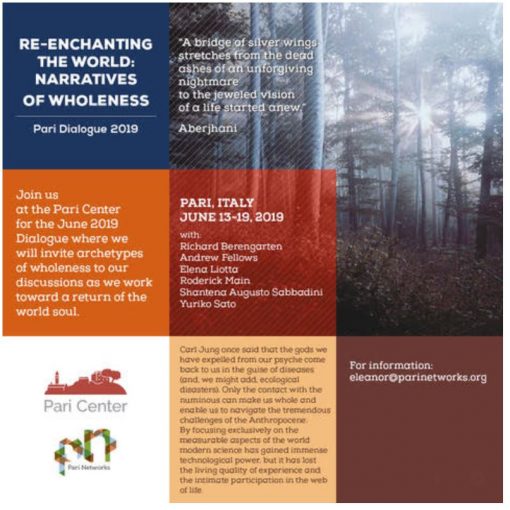
with Richard Berengarten, Andrew Fellows, Elena Liotta, Roderick Main, Shantena Augusto Sabbadini and Yuriko Sato Carl Jung once said that the gods […]